

IGF 1LR3 and IGF DES are among the most powerful peptides used by researchers exploring muscle development, cellular repair, and performance enhancement. These advanced compounds have become popular due to their unique ability to interact with the body’s growth pathways, making them highly sought-after for scientific study.
In this guide, we explore how IGF 1LR3 and IGF DES work, their potential benefits, the science behind them, and why they stand out in Only Peptide product categories.

Understanding IGF 1LR3 and IGF DES
To understand the importance of IGF 1LR3 and IGF DES, it’s essential to first explore Insulin-Like Growth Factor-1 (IGF-1). IGF-1 is a naturally occurring peptide involved in muscle repair, growth, collagen synthesis, and metabolic balance. However, IGF-1 on its own is short-lived. That’s where IGF 1LR3 and IGF DES come into play.
IGF 1LR3 is a long-acting version engineered for improved stability and a prolonged half-life.
IGF DES is a shorter, highly potent fragment known for its localized and fast action at the site where it is applied in studies.
Both IGF 1LR3 and IGF DES have unique strengths, making them valuable tools in various forms of peptide research.
How These Compounds Differ From Standard IGF-1
IGF-1 typically has a short half-life of a few minutes. Researchers wanted options that offered either improved duration or enhanced potency. This goal led to IGF 1LR3 and IGF DES.
IGF 1LR3
-
Modified to resist binding proteins
-
Remains active for hours
-
Allows broader systemic influence
IGF DES
-
10x potency near application site
-
Works instantly and locally
-
Ideal for targeted muscle-based studies
Both forms are used in scientific environments where precision, potency, and extended action are required.
Potential Benefits of IGF 1LR3 and IGF DES in Research
While not intended for medical use, scientific studies have highlighted several areas where IGF 1LR3 and IGF DES may be valuable tools.
Muscle Growth & Hypertrophy
These compounds are frequently used in muscle research due to their strong influence on cellular growth. They may stimulate satellite cell activation and improve protein synthesis.
Recovery Enhancement
Because IGF 1LR3 and IGF DES are involved in tissue repair, they are evaluated in studies focusing on faster recovery and reduced muscle breakdown.
Support for Tendons & Ligaments
Collagen development and connective tissue repair are popular areas of interest where these peptides show promise.
Metabolic Health Research
Some studies explore how IGF pathways influence glucose uptake, energy utilization, and cellular regeneration.
Why IGF 1LR3 and IGF DES Work So Effectively Together
The combination of IGF 1LR3 and IGF DES allows researchers to study both broad systemic effects and localized tissue responses.
-
IGF 1LR3 provides overall support
-
IGF DES offers targeted power
This synergy is why the duo is often evaluated in advanced peptide protocols.
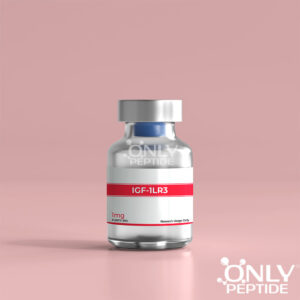
How IGF 1LR3 and IGF DES Fit Into Muscle-Focused Research
The primary reason IGF peptides attract so much attention is their relationship with growth hormone (GH). IGF-1 is downstream of GH and is responsible for many of GH’s benefits. By studying IGF 1LR3 and IGF DES directly, researchers bypass the need for GH stimulation.
This makes experiments more efficient, predictable, and controllable.
Scientific Mechanism of IGF 1LR3 and IGF DES
Both peptides bind to IGF-1 receptors and insulin receptors, initiating a cascade of responses:
-
Increased amino acid uptake
-
Enhanced nitrogen retention
-
Stimulated growth of new muscle fibers
-
Accelerated repair pathways
-
Boosted satellite cell activity
IGF DES has an especially strong affinity for damaged tissue, making it useful in localized experiments.
IGF 1LR3 and IGF DES Application Models in Research
Researchers often compare different application models:
Systemic Model
Commonly used with IGF 1LR3 to evaluate total-body responses.
Localized Model
Used with IGF DES to study effects on a specific muscle or tissue.
Hybrid Model
Involves both forms to observe combined outcomes.
Such diverse study options make these peptides indispensable for muscle-oriented scientific projects.
The Role of IGF 1LR3 and IGF DES in Performance Research
Performance studies examine areas like endurance, power output, and recovery cycles. IGF 1LR3 and IGF DES both contribute to better cellular efficiency and faster tissue repair, making them useful for performance-enhancement research. They may also influence nutrient partitioning, helping muscles use nutrients more effectively.
Safety, Stability, and Laboratory Handling
When working with IGF 1LR3 and IGF DES, researchers follow strict laboratory standards. Proper storage, sterile technique, and careful measurement ensure accuracy and consistency in results.
Only Peptide offers high-quality, well-characterized research peptides that meet these standards, supporting reliable scientific outcomes.
Why These Peptides Are Popular in Advanced Research Labs
-
Strong track record in performance-related studies
-
Powerful effects even at low concentrations
-
Compatibility with other peptides such as GHRP, CJC, or growth hormone analogs
-
Predictable and consistent response mechanisms
-
Long history of interest in regenerative medicine
As a result, IGF 1LR3 and IGF DES remain among the most in-demand compounds in scientific peptide research.
Extended Insights: Comparing Strengths of IGF 1LR3 and IGF DES
IGF 1LR3 Strengths
-
Long-lasting, ideal for systemic studies
-
Resists IGF binding proteins
-
Supports whole-body muscle response
IGF DES Strengths
-
Extremely potent locally
-
Ideal for muscle-specific research
-
Useful for hypertrophy and targeted repair
Together, they create a complete framework for protein synthesis and muscle growth exploration.
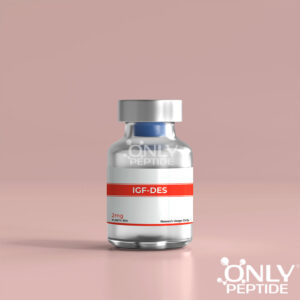
The Future of IGF 1LR3 and IGF DES Research
Researchers believe IGF peptides will continue to be central to studies involving:
-
Regenerative medicine
-
Anti-aging science
-
Athletic performance
-
Tissue engineering
-
Metabolic evaluations
The ongoing evolution of peptide science means interest in IGF 1LR3 and IGF DES will only continue to grow.
IGF 1LR3 and IGF DES: Final Thoughts
IGF 1LR3 and IGF DES stand out as two of the most effective and widely explored peptides in modern research. Their unique structures, enhanced potency, and demonstrated performance in tissue repair and muscle growth studies make them top choices in the Only Peptide product category. Whether the goal is systemic growth pathways or localized hypertrophy research, these peptides provide unmatched flexibility and scientific value.
🌐 Explore More:
Website: www.onlypeptide.com
Email: onlypeptide@gmail.com
Instagram: @onlypeptide
Facebook: Only Peptide
Leave a Reply