

Peptide science is growing rapidly, and two peptides often discussed for their unique biological roles are Thymalin and Thymosin Alpha 1. Although they originate from different sources and have distinct characteristics, researchers frequently study them together to understand how thymus-derived peptides influence immune balance, cellular signaling, and overall physiological regulation.
This comprehensive guide explores their origins, structure, functions, mechanisms, differences, potential applications, and how they fit into the broader landscape of peptide technology. Whether you’re a beginner or a peptide enthusiast, this deep-dive blog will help you fully understand the scientific relevance of Thymalin and Thymosin Alpha 1.

What Are Thymus-Derived Peptides?
Peptides derived from the thymus have been a subject of scientific study for many decades. The thymus plays a central role in the development of immune cells, especially T lymphocytes, which participate in various immune processes. As people age, the thymus slowly becomes less active—a natural process known as thymic involution.
Because of this, scientists have spent years studying how thymus-derived molecules interact with biological systems. Among them, Thymalin and Thymosin Alpha 1 stand out as two of the most widely referenced peptides in published peptide literature.
Though they are not identical and do not function in the same way, they both belong to the category sometimes referred to as “thymic peptides.” They have been researched for their roles in immune signaling, cellular communication, and biological modulation.
Origins of Thymalin
Thymalin was originally isolated from the thymus tissue of young animals. Early research focused on its role in supporting regulated immune activity. In peptide science, Thymalin is often described as a regulatory peptide—meaning it interacts with immune cells and may help balance or support various signaling pathways.
Modern peptide discussions describe Thymalin as a short peptide complex that appears to influence certain cytokine pathways, maturation of immune cells, and modulation of stress responses. While the exact mechanisms continue to be explored, Thymalin is typically recognized for its potential role in restoring balance within cellular communication networks.
Origins of Thymosin Alpha 1
Thymosin Alpha 1 is a synthetic peptide modeled after a naturally occurring sequence found in thymosin fraction 5, a mixture of peptides originally extracted from thymus tissue. Today, it is produced synthetically for research and educational purposes.
Thymosin Alpha 1 has a more defined amino acid sequence compared to Thymalin. Research literature frequently refers to its role in modulating immune cell behavior, supporting T-cell differentiation, and interacting with pathways linked to immune recognition.
Because of its well-characterized structure and effects on the immune system in research models, Thymosin Alpha 1 often appears in discussions about immune signaling, peptide therapy, and cellular modulation.
Why Thymalin and Thymosin Alpha 1 Are Often Studied Together
Even though they are structurally different, Thymalin and Thymosin Alpha 1 share a common theme—they originate conceptually from thymus-related research and are connected to immune regulation.
Scientists often analyze them together because:
-
They both interact with immune cell pathways
-
They may influence signaling involved in cellular balance
-
They have been studied for their roles in supporting regulated immune activity
-
They appear in similar categories of peptide research
However, it is important to emphasize that they are not the same peptide. Each has its own structure, mechanisms, and potential roles.
Biological Functions of Thymalin
Thymalin’s functions in scientific discussions often include:
-
Supporting balanced immune activity
-
Regulating interactions between immune cells
-
Influencing cytokine pathways
-
Helping maintain homeostasis in cellular environments
It is frequently mentioned in aging-related research because of the thymus’s connection to age-related immune decline.
Biological Functions of Thymosin Alpha 1
Thymosin Alpha 1 has been studied for its possible effects on:
-
T-cell activation and differentiation
-
Innate immune responses
-
Immune recognition pathways
-
Balanced inflammatory responses
Research frequently highlights its interaction with toll-like receptors and other molecules involved in immune signaling.
Structural Differences Between Thymalin and Thymosin Alpha 1
Even though Thymalin and Thymosin Alpha 1 share similar biological origins, their structures are significantly different.
Thymalin
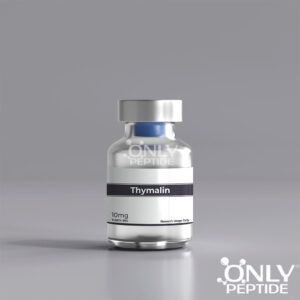
Thymalin is a peptide complex rather than a single amino acid sequence. It contains multiple small peptides that appear to function together.
Thymosin Alpha 1
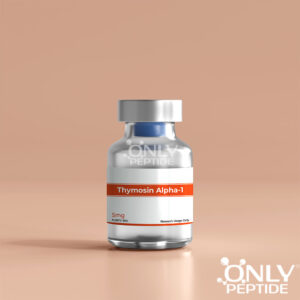
Thymosin Alpha 1 is a single, clearly defined sequence of 28 amino acids, making it easier to study via structural biology and peptide synthesis.
Because one is a complex and the other is a single peptide, their mechanisms of interaction within biological systems may differ.
How Thymalin and Thymosin Alpha 1 Influence Cellular Pathways
Scientific literature suggests several interactions worth highlighting:
Thymalin
-
May influence differentiation of T cells.
-
Appears to help regulate cytokine production.
-
Could play a role in balancing pro- and anti-inflammatory signals.
Thymosin Alpha 1
-
Interacts with toll-like receptors (TLRs).
-
Supports antigen presentation pathways.
-
Influences communication between innate and adaptive immune cells.
Although their activities sometimes intersect, Thymosin Alpha 1 is often studied in more detail due to its specific structure and well-mapped biological interactions.
Potential Benefits Discussed in Research
(Non-medical, educational overview only)
Researchers have explored the following potential benefits of Thymalin and Thymosin Alpha 1:
Thymalin
-
Support for balanced immune activity
-
Potential anti-ageing cellular discussions
-
Stress response modulation
-
Support for natural cellular repair pathways
Thymosin Alpha 1
-
Support for immune recognition
-
Improved innate immune communication
-
Balanced inflammatory signaling
-
Enhancement of T-cell activity
Again, these are research-based, educational points—not medical claims.
Thymalin vs. Thymosin Alpha 1: A Detailed Comparison Table
| Feature | Thymalin | Thymosin Alpha 1 |
|---|---|---|
| Origin | Thymus peptide complex | Defined 28-amino-acid peptide |
| Type | Multi-peptide mixture | Single peptide |
| Biochemical Action | Immune regulation, cytokine balance | T-cell activation, innate immune signaling |
| Research Focus | Aging, immune modulation | Immune integrity, signaling pathways |
| Structural Complexity | High | Low |
Role of Thymus-Related Peptides in Aging
One of the most interesting areas of research involving Thymalin and Thymosin Alpha 1 is aging.
The thymus naturally shrinks with age, reducing T-cell production and potentially weakening immune balance. Because both peptides originate from thymus-related studies, researchers have explored how they may help maintain regulated immune signaling in aging populations.
How Researchers Use Thymalin and Thymosin Alpha 1
Researchers use these peptides to study:
-
Immune modulation
-
Cell receptor signaling
-
Antigen presentation
-
Differentiation of immune cells
-
Balance between immune activation and suppression
These research applications help scientists understand broader biological concepts such as immune homeostasis.
Growing Popularity of Thymalin and Thymosin Alpha 1 in Peptide Science
As public interest in peptide technology increases, more people are curious about immune-related peptides. Thymalin and Thymosin Alpha 1 have gained popularity because they sit at the intersection of immunity, aging, and peptide biochemistry.
They are widely referenced in forums, scientific articles, peptide communities, and educational platforms.
Safety Considerations (Educational Only)
Since these peptides interact with immune pathways, researchers emphasize responsible handling and awareness of study limitations.
Key points include:
-
They should only be used for research and educational purposes
-
They are not substitutes for medical treatment
-
Dosage and administration should follow research guidelines
-
Consult qualified professionals for medical needs
Final Thoughts
Thymalin and Thymosin Alpha 1 represent two of the most intriguing thymus-derived peptides in today’s scientific landscape. While they are often discussed together, they differ in structure, function, and biological interaction. Their growing popularity reflects increasing interest in immune modulation, cellular signaling, and peptide-based research.
As peptide science continues to expand, these two peptides will likely remain central topics in discussions involving immunity, aging, and the future of biological regulation. For anyone studying peptides, understanding Thymalin and Thymosin Alpha 1 is an essential step toward grasping how the thymus influences overall biological balance.
🌐 Explore More:
Website: www.onlypeptide.com
Email: onlypeptide@gmail.com
Instagram: @onlypeptide
Facebook: Only Peptide
Leave a Reply